
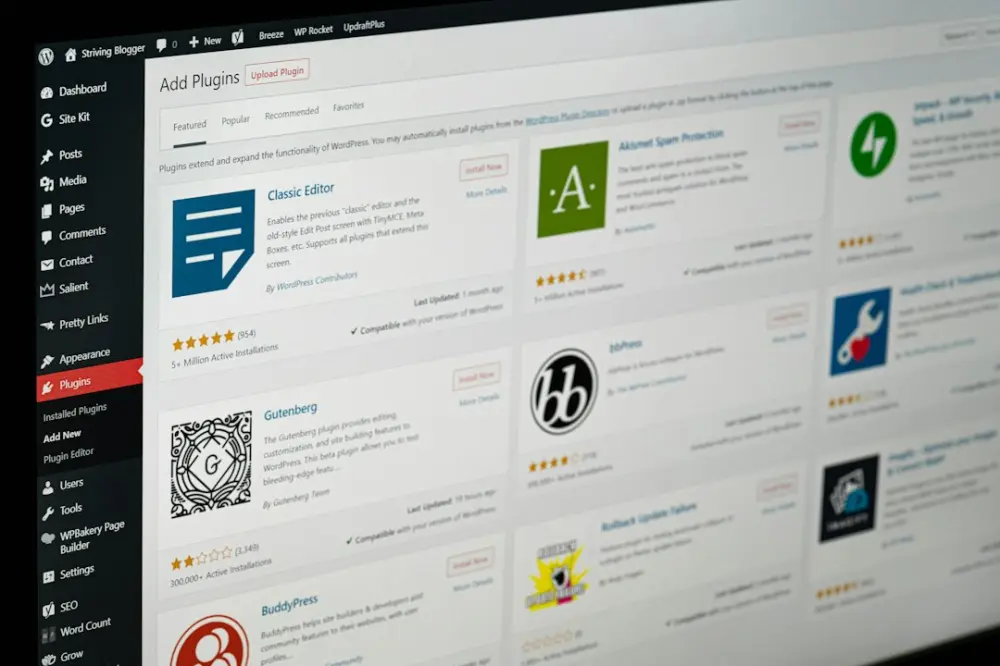
The digital self is no longer contained within the physical confines of a single chassis. It has become a dispersed entity, cached in browser tabs, synchronised across mobile devices, and anchored to remote servers. We have moved beyond the era of the 'installed program' into the age of the integrated service. When we seek out new software today, we are not merely looking for a tool to perform a task; we are vetting a potential component for our personal infrastructure. This shift changes the stakes of every subscription and every login.
Finding the right software in an oversaturated market requires more than a glance at a star rating or a feature checklist. The modern SaaS (Software as a Service) landscape is a noisy one, filled with reviews that often cater to enterprise buyers or marketing departments rather than the individual power user. To build a resilient and efficient personal stack, we must learn to read between the lines of these evaluations, looking for the specific indicators that suggest a tool will harmonise with our existing digital ecosystem rather than clutter it.
The Shift from Tool to Infrastructure
In the traditional model of personal computing, software was a discrete asset. You bought it, you installed it, and it lived on your hard drive until you chose to delete it. Today, software is a living relationship. Because SaaS products are hosted and updated remotely, they represent a dependency. If the service changes its API, alters its pricing, or pivots its focus, your personal workflow feels the tremor. Therefore, the evaluation process must be more rigorous.
When we talk about personal infrastructure, we are talking about the core systems that manage our information, our time, and our creative output. This includes everything from note-taking apps and task managers to cloud storage and automation gateways. A review that focuses solely on the aesthetics of the user interface is often missing the point. We need to know how the software handles data under pressure, how it behaves when the internet connection flickers, and how easily it allows us to leave if the relationship sours.
Filtering the Signal from the Review Noise
Most SaaS reviews suffer from a 'honeymoon phase' bias. They are written by users who have spent forty-eight hours with a tool and are enamoured by the onboarding experience. To find the truth, we must look for reviews that discuss the 'long-term friction.' This is the cumulative exhaustion that comes from a tool that requires too many clicks for basic actions or one that lacks keyboard shortcuts for power users.
A practical review for personal infrastructure integration should address three key pillars: reliability, interoperability, and data sovereignty. If a reviewer doesn't mention how easy it is to export your data in a non-proprietary format, that review is incomplete. As we observe current personal computing trends, it becomes clear that the value of a service is increasingly tied to its ability to function as a node in a larger, user-controlled network.
Interoperability and the API Ecosystem
No piece of software should be an island. The true power of modern computing lies in the way different services talk to one another. When evaluating a review, look for mentions of 'integrations'—but look closer than the marketing badges. Does the software have a robust, well-documented API? Does it play well with third-party automation tools that allow you to move data without manual entry?
A review that praises a software’s 'all-in-one' nature is often a red flag for those building a bespoke infrastructure. All-in-one tools are frequently 'jack of all trades, master of none.' They tend to create silos that make it difficult to swap out individual components of your stack later on. A better sign is a tool that does one thing exceptionally well and provides the hooks for other tools to latch onto.
The Hidden Cost of Latency and Bloat
Because SaaS runs in the browser or as an Electron-based desktop app, performance is often sacrificed for cross-platform compatibility. A review that ignores system resource usage is doing the reader a disservice. Personal infrastructure should feel lightweight; it should respond at the speed of thought. When a tool introduces a three-second lag every time you try to capture an idea, it isn't an asset; it's a bottleneck.
Look for reviewers who test the software with large datasets. An app might feel snappy when you have ten notes, but how does it perform when you have ten thousand? Infrastructure is meant to grow with you. If the software begins to buckle under the weight of its own database, it is not a foundation you want to build upon.
The Sovereignty Question: Who Owns Your Data?
One of the most overlooked aspects of SaaS reviews is the legal and technical reality of data ownership. We often trade our data for convenience, but for personal infrastructure, this is a dangerous bargain. A high-quality review will dive into the privacy policy and the technical methods of encryption used by the provider.
Is the data encrypted at rest? Does the provider have 'zero-knowledge' architecture, meaning they cannot see your files even if they wanted to? For many, these might seem like paranoid concerns, but in the context of long-term digital stability, they are foundational. If a service goes bankrupt or changes its terms of service, you need the assurance that your intellectual property is both secure and portable.
Practical Steps for Your Own Evaluation
When you are ready to integrate a new service into your personal system, use the following framework to vet the reviews you find:
- Search for 'Exit Strategy': Look for reviews or forum posts specifically discussing how to export data. If the process is difficult, the tool is a trap.
- Check the Update Log: Does the developer have a history of consistent, meaningful updates, or is the software 'abandonware' in disguise?
- Community Sentiment: Look at platforms like Reddit or specialized forums. The 'official' reviews are often polished, but the community will tell you about the bugs that have been ignored for six months.
- Offline Capability: A service that requires a constant 5G connection to function is a fragile link in your infrastructure. Look for 'offline-first' features.
Building a personal computing environment is an exercise in intentionality. We are no longer passive consumers of whatever software comes pre-installed on our machines. We are the architects of our own digital workspaces. By viewing SaaS through the lens of infrastructure rather than mere utility, we can filter out the ephemeral 'hype' and choose tools that actually enhance our ability to think, create, and automate.
Please note: The technical evaluations and software recommendations discussed here are for general informational purposes only. Always perform your own due diligence regarding data security and software compatibility before integrating new services into critical personal or professional workflows.
The ultimate goal of evaluating software is to reach a state where the tools disappear. When your personal infrastructure is well-chosen, you stop thinking about the 'app' and start focusing on the work. The friction of the interface fades away, replaced by a seamless flow of information. Achieving this requires a critical eye and a refusal to settle for the loudest option in the room. In the end, the best software is the one that respects your time, your data, and your existing habits.