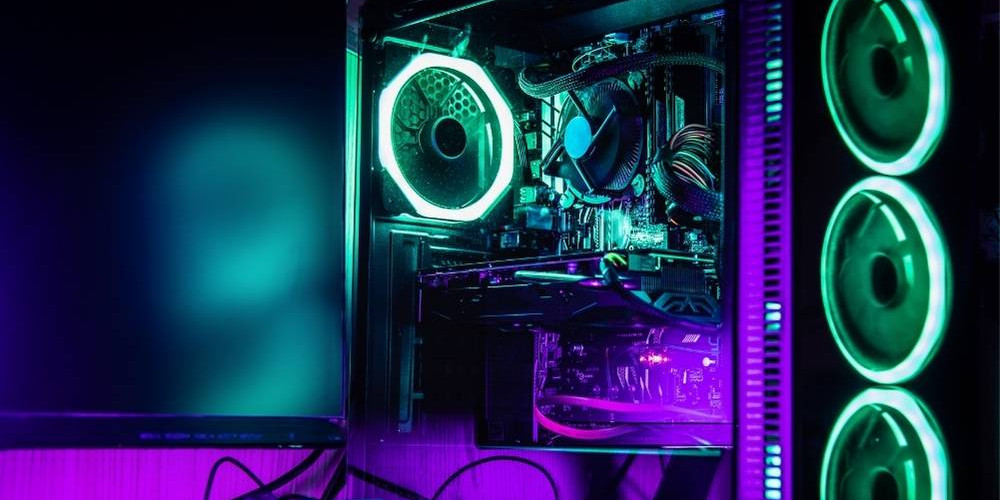

Personal computing is evolving rapidly as new technologies reshape how users work, create, and interact with digital environments. Modern PCs are becoming smarter, faster, and more adaptable, offering improved performance and more intuitive experiences. From AI-powered tools to energy-efficient hardware, several key features are defining the future of personal computing.
Understanding these developments helps users prepare for upcoming innovations and make smarter technology decisions.
Why the Future of Personal Computing Matters
The future of personal computing will influence how people:
- Work and collaborate remotely
- Create digital content
- Use AI-powered applications
- Manage productivity workflows
- Connect across devices
These changes will shape everyday computing experiences.
1. AI-Integrated Operating Systems
Artificial intelligence is becoming deeply integrated into personal computing.
Future AI features may include:
- Smart task automation
- Intelligent file organisation
- Voice-driven workflows
- Predictive performance optimisation
- Context-aware recommendations
AI will make PCs more intuitive and efficient.
2. Faster and More Efficient Processors
Modern processors are improving both performance and efficiency.
Key improvements include:
- Better multitasking performance
- Lower power consumption
- Reduced heat output
- Faster processing speeds
- Improved integrated graphics
Efficiency-focused CPUs will drive future PCs.
3. Next-Generation SSD Storage
Storage technology continues advancing beyond traditional SSDs.
Future benefits include:
- Faster data transfer speeds
- Near-instant system startup
- Improved application performance
- Reduced loading times
- Better reliability
High-speed storage will become standard.
4. Enhanced Integrated Graphics
Integrated GPUs are becoming more capable.
This supports:
- Casual gaming performance
- Creative applications
- Multi-monitor setups
- High-resolution displays
- Video editing workflows
Some users may no longer require dedicated graphics cards.
5. Cloud-Connected Computing
Personal computing is increasingly linked to cloud services.
This enables:
- Seamless file syncing
- Remote access
- Cross-device workflows
- Cloud backups
- Collaborative environments
Cloud integration improves flexibility.
6. Compact and Modular PC Designs
Future PCs are becoming smaller and more adaptable.
Benefits include:
- Space-saving systems
- Modular upgrade paths
- Improved airflow designs
- Portable performance setups
- Clean desk environments
Compact computing continues growing.
7. Advanced Display Technology
Displays are evolving alongside personal computing.
Future features include:
- Higher refresh rates
- Improved colour accuracy
- Higher resolutions
- HDR enhancements
- Reduced eye strain technology
Displays play a major role in user experience.
8. Improved Connectivity and Wireless Performance
Connectivity advancements are shaping the future of PCs.
These include:
- Faster Wi-Fi standards
- Improved Bluetooth connectivity
- Seamless device pairing
- Wireless peripherals
- Cross-device continuity
Better connectivity improves workflows.
9. Energy-Efficient Computing
Power efficiency is becoming a major priority.
Benefits include:
- Lower electricity usage
- Quieter systems
- Reduced heat output
- Longer battery life for laptops
- Sustainable computing setups
Efficiency-focused hardware will define future PCs.
10. Personalised User Experiences
Future PCs will adapt more to individual users.
This may include:
- Customisable interfaces
- AI-driven recommendations
- Adaptive performance modes
- Smart workspace layouts
- User-specific automation
Personalisation will enhance usability.
How These Features Are Shaping Personal Computing
These developments are leading to:
- Smarter computing experiences
- Faster and more responsive systems
- More compact hardware designs
- Improved multitasking capabilities
- Seamless device integration
Personal computing is becoming more versatile.
Tips for Preparing for the Future
To stay ahead of personal computing trends:
- Choose upgradeable hardware
- Use SSD-based storage
- Prioritise efficient components
- Consider multi-device workflows
- Explore AI-powered tools
Future-ready setups last longer.
Common Mistakes to Avoid
When planning for future computing, avoid:
- Buying outdated storage
- Ignoring upgrade paths
- Overlooking cooling needs
- Choosing insufficient RAM
- Neglecting display quality
Balanced systems perform best long term.
Final Thoughts
The future of personal computing is defined by AI integration, faster storage, efficient processors, and smarter connectivity. These features will shape how users interact with PCs and improve everyday productivity and creativity.
By understanding these key developments, users can make informed decisions, build future-ready systems, and enjoy more powerful and efficient computing experiences.